

Varicocele is one of the most common male reproductive health disorders that directly affects fertility.
Varicocele is found in 15–30% of men. It is a pathological dilation of the testicular veins, most commonly occurring on the left side. This disorder can present with various symptoms, but the majority of cases are asymptomatic, and varicocele is detected incidentally during preventive health check-ups.
Varicocele affects 15-30% of patients; the majority of cases are asymptomatic and detected incidentally.
Although varicocele is asymptomatic in most cases, some patients may experience symptoms such as pain, discomfort, and increased testicular temperature, which over time can affect spermatogenesis and reproductive function.
The occurrence of varicocele and risk factors
The mechanism of varicocele formation is related to blood congestion in the testicular veins, caused by improper functioning of the venous valves. Most often, varicocele develops due to anatomical peculiarities of the left renal vein. On the left side, blood from the testicular vein flows into the renal vein, which crosses the aorta, causing pressure differences and causing the veins to dilate. In some patients, varicocele can also be caused by venous obstruction or tumors.
It has been proven that the risk of varicocele is higher in patients with a family history of this disorder. According to studies, in cases of genetic predisposition, the risk increases 2 to 4 times. Additionally, circulatory disorders can influence this pathology, especially renal vein obstruction, age (varicocele is most often diagnosed in men aged 15–25), and physical factors such as prolonged sitting or excessive physical exertion.


Symptoms and impact on fertility
Although varicocele is often asymptomatic, some patients experience pain or discomfort in the testicles, especially when standing or exercising. A feeling of heaviness in the groin or an increase in the size of one testicle may also occur. Studies show that varicocele can have a significant impact on male fertility. Blood stagnation increases testicular temperature, which disrupts sperm production and worsens sperm quality. In some cases, oxidative stress and tissue damage can reduce sperm motility and concentration. Studies show that up to 40% of men diagnosed with varicocele experience infertility. Treatment, including embolization, can often significantly improve sperm quality and increase fertility chances.
Diagnosis of varicocele
Diagnosis of varicocele begins with anamnesis and clinical examination. Usually, the patient is asked to stand or perform certain manipulations, such as coughing, to better assess venous dilation. The main diagnostic method is ultrasound, including Doppler ultrasound, which allows assessment of blood flow disorders and vein dilation. If necessary, computed tomography (CT) or magnetic resonance imaging (MRI) may be used.

Treatment options
Varicocele treatment depends on the severity of symptoms and the consequences of the disease. Several treatment methods are used in Lithuania:
- Conservative treatment – recommended when symptoms are mild and do not significantly affect fertility. This includes monitoring the patient’s condition and adjusting lifestyle. Conservative varicocele treatment may be insufficiently effective, especially with severe symptoms or fertility problems. This method does not address the cause of the disease itself but only aims to relieve symptoms, so in cases of infertility, it may be ineffective. Long-term monitoring may also be necessary, which sometimes does not yield clear results.
- Surgical treatment – applied in more severe forms when infertility problems need to be addressed or severe symptoms reduced. Surgical varicocele surgery has drawbacks such as a long recovery period, risk of complications (infections, bleeding, nerve damage), scarring, and higher costs. Additionally, fertility recovery after surgery may be slower than after minimally invasive procedures.

- Embolization is a minimally invasive procedure characterized by a low level of complications and faster patient recovery compared to surgical operations. This method allows blocking blood flow in dilated veins.
Varicocele embolization: methodology and benefits
Varicocele embolization is an advanced treatment method performed by interventional radiology specialists. The procedure involves inserting a catheter into the veins under X-ray guidance and using special materials to stop blood flow. The procedure duration ranges from 30 minutes to 1 hour; local anesthesia is sufficient. During the procedure, access is chosen through a large vein in the neck or groin, and the procedure is monitored and performed precisely under ultrasound and X-ray guidance.
Procedure steps:
1. Anesthesia and preparation for the procedure. Varicocele embolization is performed on an outpatient basis using local anesthesia combined with intravenous sedation (e.g., fentanyl and midazolam). Protection is used to reduce patient exposure.
2. Embolization. The vein is punctured under ultrasound guidance and a system of catheters/tubes is inserted, through which special wires and X-ray contrast agents are used to reach the dilated veins of one or both testicles. They are closed through the same catheters by inserting spirals and/or special adhesives into the veins. To enhance the procedure’s effect, the veins are simultaneously sclerosed with a special sclerotherapy agent.
3. Postoperative care. After the procedure, the catheter is removed, patients lie in the ward for several hours, and are discharged home the same day. It is recommended to avoid sports for 3 days, avoid lifting heavy loads for 5–7 days, and abstain from sexual intercourse for 10 days. Consume easily digestible food for 3 days to prevent constipation.


Advantages of embolization:
- Minimal invasiveness – the procedure does not require large incisions.
- Low risk of complications – compared to surgery, embolization reduces the risk of nerve plexus and vas deferens damage.
- Rapid recovery – patients can generally return to daily life the same day.
- High effectiveness – the combination of embolization and sclerotherapy methods ensures a 95% success rate of the procedure. If necessary, the procedure can be easily repeated.
Post-procedure and long-lasting results
Varicocele embolization is a safe alternative to surgical varicocele treatment. Studies show that surgical treatment and embolization provide
similar results [1][2][3][5], but embolization is characterized by a low risk of complications and faster patient recovery
compared to surgery [4].
Advantages of varicocele embolization:
- Lower risk of complications. No open surgical intervention, avoiding infections and bleeding [6].
- Faster recovery. Most patients return to normal activities within 1-2 days.
- Less pain. The procedure is performed under local anesthesia, thus reducing discomfort [7].
- Bilateral varicocele correction. Both testicles can be treated in a single procedure.
After the procedure, patients can usually return home within a few hours. The post-embolization period usually lasts 1–2 days, during which mild discomfort or nausea may occur, but these symptoms are easily manageable. Most patients quickly return to normal activities, and positive changes in spermograms are noticeable after 1–2 months.
A 2014 study published in the journal Urology showed that varicocele embolization is an effective treatment alternative to surgery, featuring a lower risk of complications and faster recovery. Additionally, 70% of patients who underwent embolization showed improvement in sperm quality, and 40% had children within two years after the procedure. Another study, published in the Journal of Vascular and Interventional Radiology, analyzed the results of varicocele embolization and showed that this method has a high success rate (over 90%) and a lower risk of complications compared to surgical methods. Additionally, patients returned to their normal daily routines faster and experienced less discomfort after the procedure.
Case study
A 23-year-old man was referred for varicocele embolization due to testicular pain: a) X-ray shows catheterization of the left inner spermatic vein before embolization; b) X-ray shows selective catheterization of the left internal spermatic vein after embolization with special spirals. Spirals are visible (arrow) at the level of the inguinal ligament. The embolization procedure was successful, and the pain stopped.

Sources
1. Nabi G, Asterlings, Greene DR, et al. Percutaneous embolization of varicoceles: outcomes and correlation of semen improvement with pregnancy. Urology. 2004; 63:359–363.
2. Shlansky-Goldberg RD, VanArsdalen KN, Rutter CM, et al. Percutaneous varicocele embolization versus surgical ligation for the treatment of infertility: changes in seminal parameters and pregnancy outcomes. J Vasc Interview Radiol.1997; 8:759–767.
3. Nieschlag E, Behre M, Schlingheider A, et al. Surgical ligation vs angiographic embolization of the vena spermatica: a prospective randomized study for the treatment of varicocelerelated infertility. Andrologia. 1993; 25:233–237.
4. Joshua Halpern, Sameer Mittal, Keith Pereira, Shivank Bhatia, Ranjith Ramasamy; Percuraneous embolization of varcocele: technique, indications, relative contraindications, and complications; Asian Journal of Andrology (2016) 18, 234–238; doi: 10.4103/1008-682X.169985; published online: 8 December 2015
5. Darby Cassidy, MD, University Hospital of Northern British Columbia, Keith Jarvi, MD, Murray Koffler Urologic Welness Center, Ethan Grober, MD, Murray Koffler Urologic Welness Center Kirk Lo, MD, Murray Koffler Urologic Welness Center ; Varicocele surgery or embolization: Which is better?; Can Urol Assoc J 2012; 6(4):266-8.
6. Kumar R, Gupta NP. Subingunal varicocelectomy: evaluation of the results. Urol int 2003; 71:368-72
7. Iaccarino V, Venetucci P. Interventional radiology of male varicocele: Current status. Cardio Intervent Radiol 2012;35:1263-80. https://doi.org/10.1007/s00270-012-0350-z
Products
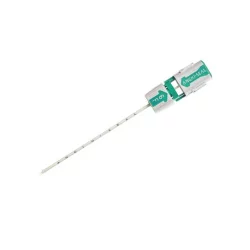
ANGIO SEAL VIP
Angio-Seal™ VIP Cruciate Vein Closure Device for closure and reduction of time to haemostasis at the site of common femoral artery puncture in patients undergoing diagnostic angiography or interventional procedures
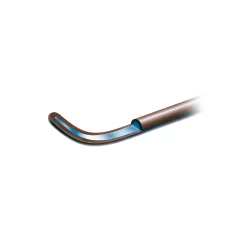
RADIFOCUS wire
TERUMO hydrophilic guidewire, coated with polyurethane, a hydrophilic polymer coating, for guiding the catheter to the desired location in the vascular system during procedures
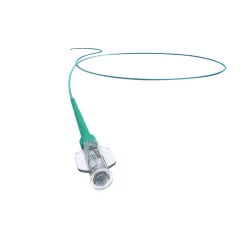
RADIFOCUS catheter
Angiographic or diagnostic TERUMO catheter for angiographic procedures, used with a guidewire: delivers radioactive media and materials to selected sites in the vascular system

PROGREAT
TERUMO microcatheter with integrated wire for therapeutic embolization and angiography in peripheral blood vessels. Ease of use, bend resistance, distal flexibility