
Chronic total occlusion (Eng. Chronic Total Occlusion, CTO is one of the most complex and clinically significant areas of coronary intervention. CTO occurs when the coronary artery is completely blocked for at least three months and no blood reaches the affected part of the heart. Due to impaired blood flow, the heart does not receive enough oxygen and nutrients, which leads to the symptoms of angina pectoris. CTO is found in up to 30% of patients with coronary artery disease [1]. CTO cases have long been considered technically complex and hard-to-treat invasive methods, but in recent years, advances in percutaneous methods and specialized equipment have improved treatment outcomes for this condition. Procedural risks associated with CTO percutaneous coronary intervention (PCI) in experienced centers are steadily decreasing [0]. The latest advances in interventional cardiology and new CTO treatment strategies enable excellent outcomes, improving patient survival and quality of life. The latest data from US CTO treatment centers show that CTO PCI technical success rates exceed 90% [20].

What is a PCI CTO?
For a long time, patients with CTO conditions experiencing angina (chest pain, shortness of breath, fatigue) required open-heart surgery – coronary artery bypass surgery (CABG). Today, CTO can be treated using a minimally invasive method called percutaneous coronary intervention (PCI). This procedure involves opening the artery using balloons, stents, and specialized equipment. With advances in CTO PCI methods, equipment, and increasing procedural experience, CTO PCI is now regarded as a predictable and effective treatment method. European physician guidelines on myocardial revascularization recommend performing CTO PCI to reduce ischemia in the affected myocardial area and alleviate angina symptoms [2].
Patient selection
Using modern methods and equipment, patient selection should be based not only on determining the level of lesion (complete, partial, or severe) but also on symptoms and diagnostic outcomes [3].
Currently, by expert consensus, four main CTO PCI indications are distinguished:
-
Relief of symptoms limiting quality of life and improvement of physical exercise tolerance.
-
Reduction of ischemic burden achieved through non-invasive tests.
-
Reduction of dyspnea associated with left ventricular (LV) dysfunction in the presence of evidence of viable myocardium.
-
Improvement of long-term prognosis in patients with high-risk multiple vascular coronary artery disease (CAD) [23][24][25][26][27].
CTO is more common in elderly patients. Studies show that the prevalence of CTO is 36.5% of patients under 65 years old, 39.1% among patients aged 65–79, and 40.7% among patients over 80 years old [16]. The most commonly affected blood vessels are the right coronary artery, followed by the left anterior descending artery and the left rotating artery.

For asymptomatic patients, ischemia should be evaluated by PCI before performing a CTO. The success of the procedure depends on whether the heart tissue can still recover. It is recommended to use comprehensive diagnostic methods such as transmural infarction assessment, contractile reserve evaluation with dobutamine, and cardiac MRI to evaluate normal myocardial wall thickening function [5].
Procedure planning
Pre-procedural planning includes angiographic assessment to assess the likelihood of success and select the most appropriate intervention method. One of the most widely used tools is the J-CTO score. The hybrid algorithm improves success rates by reducing procedure duration, radiation dose, and contrast agent amount, as well as standardizing methodologies and reducing differences in operator work [11][12].
Using a standardized hybrid algorithm, treatment facilities in North America and Europe achieve success rates exceeding 90%. This method involves inserting two guiding catheters—one into each coronary artery—to perform a dual contrast injection and ensure a smooth transition between the antegrade and retrograde conduction methods. A double-contrast angiogram allows assessment of lesion characteristics such as length and anatomy of collateral circulation. Based on this data, doctors select the optimal guidance method during the procedure and monitor procedure parameters—duration, irradiation, and contrast amount. This algorithm works even for high-risk patients who have undergone CABG surgery—achieving an 87.5% success rate [11].
Stages of the CTO procedure
The procedure is similar to cardiac catheterization. To justify a clear clinical indication, the patient must undergo a comprehensive examination before the procedure, including assessment of symptoms, ischemia, and myocardial viability [9].
The main stages of the procedure:
-
Guiding catheter insertion – allows access to the CTO (chronic total occlusion) site.
-
Guidewire transfer – specialized CTO wires and microcatheters are used.
-
Disection and re-entry techniques – in complex cases, a retrograde method through collateral arteries can be applied.
-
Balloon angioplasty – when the guidewire is successfully inserted, the artery is widened.
-
Stenting – to ensure blood vessel patency and reduce the risk of restenosis.
CTO PCI technique
CTO PCI requires technical skills and specialized equipment. Key techniques include:
-
Antegrade guide wire escalation (AWE): increasingly stiffer guide wires are used to penetrate the occlusion.
-
Antegrade dissection and reentry (ADR): a controlled subintimal dissection is performed to overcome the lesion.
-
Retrograde method: the lesion is accessed through the collateral arteries, usually applied when antegrade tests fail.
-
Hybrid method: combines several strategies to achieve optimal results.
Recent studies show that the hybrid approach achieves 85-90% success [6][7][8], and over 90% technical success in US CTO centers. Strictly adhering to the hybrid approach, success rates reach 93.4% for patients without previous CABG surgery and 88.1% for patients after CABG [20].

Advantages of CTO PCI
CTO PCI is a rapidly advancing field. Using appropriate equipment and modern techniques, large-scale and highly competent centers achieve high success rates. Successful CTO recanalization is associated with reduced angina intensity, improved quality of life, increased physical capacity, improved ventricular function, and reduced mortality.


- The Italian CTO registry evaluated clinical outcomes of 1,777 patients and showed lower mortality (1.4%, 4.7%, and 6.3%, p < 0.001) and a MACE incidence after one year (2.6%, 8.2%, and 6.9%, p < 0.001) in patients treated with PCI compared to those treated conservatively or surgically. In this study, the patient group receiving optimized medication experienced higher rates of MACE, mortality, and rehospitalizations [13].
- Sapontis et al. evaluated the quality of life of 1,000 patients undergoing OCT PCI. After one month of follow-up, significant improvements were observed in all Seattle angina scores (SAQ), Rose dyspnea scale , and PHQ-8 areas [14].
- In Japan, 904 series of consecutive PCI procedures for CTO were performed between 2002 and 2008 (Rathore et al., 2009). Technical success was achieved in 87.5% of cases, and procedural success (technical success without MACE) in 86.2%. The use of various conductor routing techniques increased annually (parallel conductors, retrograde routing, intravascular ultrasound, CART method). Within the hospital, the MACE incidence was 1.5% in patients with successful CTO PCI, and slightly higher – 4.4% – in the unsuccessful procedure group (p = 0.027) [21].
- The latest meta-analysis, covering 9 studies and more than 6,400 patients, compared long-term clinical outcomes between patients who had successful CTO recanalization and those who were not. According to this study, in successful recanalization, the risk of death, MI, and MACE was approximately 50% lower, and the rate of myocardial revascularization was up to 90% lower [15].
- The EuroCTO multicenter study (“Randomized multicenter trial evaluating the application of revascularization or optimal drug therapy for chronic complete cases of coronary artery occlusion”) randomly assigned 396 patients to either CTO-PCI or optimal drug therapy (OMT) groups. After 12 months, compared to patients treated solely for drug therapy, the CTO-PCI group showed a greater reduction in angina frequency (subscale change difference – 5.23; 95% CI: 1.75–8.71; p = 0.003) and improvement in quality of life (subscale change difference – 6.62; 95% CI: 1.78–11.46; p = 0.007), assessed according to the Seattle angina questionnaire [22]. Patients with successful CTO PCI experienced fewer physical restrictions, fewer angina symptoms, better mobility, and increased physical activity compared to those treated with OMT alone. A low risk of complications was also recorded during procedures, and the 12-month MACE rate was similar to that of the OMT group [28].
CTO PCI success rates and forecast
-
The success rates of CTO-PCI procedures are determined by improved tools, more advanced microcatheters, and advanced imaging technologies. Currently, in specialized centers staffed by experienced procedure operators, success rates exceed 85–90%. Several key factors determine the success of procedures:
-
Patient selection: Favorable anatomy and a well-developed collateral circulatory network improve outcomes.
-
Physician experience: Experienced interventional specialists using advanced techniques can manage complex cases more effectively.
-
Advanced imaging support: Technologies such as intravascular ultrasound (IVUS) and optical coherence tomography (OCT) help optimize stent positioning and direct it with exceptional precision.
The long-term prognosis after a successful CTO-PCI is favorable – in properly selected patients, angina symptoms significantly decrease and left ventricular function improves.
-
Conclusions
The CTO PCI procedure is rapidly gaining popularity in modern interventional cardiology and fundamentally changing complex coronary artery disease treatment strategies. Although historically this procedure was rarely used – accounting for only about 5% of all PCI procedures worldwide [10] and attempted in only 10–15% of cases [16][17][18] – technological progress and the growing experience of procedure operators are leading to a paradigm shift – today, CTO PCI success rates have significantly increased, while the frequency of complications has sharply decreased. For example, Patel et al. found that the frequency of severe complications decreased from 1.6% (2000–2002) to just 0.5% (2009–2011) [19].
Randomized clinical trials confirm the main advantage of CTO-PCI – better symptom relief. Moreover, ongoing innovations allow treatment of previously considered “incurable” vascular lesion sites by making them suitable for revascularization procedures [29]. Compared to optimal drug treatment (OMT), CTO-PCI provides significant benefits to patients: reduced physical limitations, fewer angina symptoms, improved mobility, and increased physical activity.
With advances in imaging tools, catheter technologies, and procedure techniques, success rates of CTO-PCI procedures are expected to continue growing. For doctors working with CTO patients, an individualized, patient-centered approach remains extremely important – using the latest technologies and clinical evidence to achieve the best outcomes and a higher quality of life.
Case studies


Sources:
[0] Christian O. Koelbl, Zoran S. Nedeljkovic2 and Alice K. Jacobs, Coronary Chronic Total Occlusion (CTO): A Review; Columbia University Division of Cardiology Mount Sinai Heart Institute 4300 Alton Road De Hirsch Meyer Tower Suite 2070 Miami Beach, FL 33140, USA
[1] Jeroudi OM, Alomar ME, Michael TT, El Sabbagh A, Patel VG, Mogabgab O, et al. Prevalence and management of coronary chronic total occlusions in a tertiary Veterans Affairs hospital. Catheter Cardiovasc Interv. 2014; 84(4):637-43.
[2] Windecker S, Kolh P, Alfonso F, Collet JP, Cremer J, Falk V, et al; Authors/Task Force members. 2014 ESC/EACTS Guidelines on myocardial revascularization: The Task Force on Myocardial Revascularization of the European Society of Cardiology (ESC) and the European Association for Cardio-Thoracic Surgery (EACTS)Developed with the special contribution of the European Association of Percutaneous Cardiovascular Interventions (EAPCI). Eur, Heart, J., 2014; 35(37):2541-619.
[3] Patel MR, Calhoon JH, Dehmer GJ, Grantham JA, Maddox TM, Maron DJ, et al. ACC/AATS/AHA/ASE/ASNC/SCAI/SCCT/STS 2017 Appropriate Use Criteria for Coronary Revascularization in Patients With Stable Ischemic Heart Disease: a report of the American College of Cardiology Appropriate Use Criteria Task Force, American Association for Thoracic Surgery, American Heart Association, American Society of Echocardiography, American Society of Nuclear Cardiology, Society for Cardiovascular Angiography and Interventions, Society of Cardiovascular Computed Tomography, and Society of Thoracic Surgeons. J Am Lost Cardiol. 2017; 69(17):2212-41.
[4] Werner GS, Surber R, Ferrari M, Fritzenwanger M, Figulla HR. The functional reserve of collaterals supplying long-term chronic total coronary occlusions in patients without prior myocardial infarction. Eur, Heart, J., 2006; 27(20):2406-12.
[5] – Kirschbaum SW, Rossi A, Boersma E, Springeling T, van de Ent M, Krestin GP, et al. Combining magnetic resonance viability variables better predicts improvement of myocardial function prior to percutaneous coronary intervention. You’re J Cardiol. 2012; 159(3):192-7.
[6] Wilson WM, Walsh SJ, Yan AT, Hanratty CG, Bagnall AJ, Egred M, et al. Hybrid approach improves success of chronic total occlusion angioplasty. Heart. 2016; 102(18):1486-93.
[7] Sapontis J, Salisbury AC, Yeh RW, Cohen DJ, Hirai T, Lombardi W, et al. Early procedural and health status outcomes after chronic total occlusion angioplasty: a report from the OPEN-CTO registry (Outcomes, Patient Health Status, and Efficiency in Chronic Total Occlusion Hybrid Procedures). JACC Cardiovasc Interv. 2017; 10(15):1523-34.
[8] Christopoulos G, Karmpaliotis D, Alaswad K, Yeh RW, Jaffer FA, Wyman RM, et al. Application and outcomes of a hybrid approach to chronic total occlusion percutaneous coronary intervention in a contemporary multicenter US registry. You’re J Cardiol. 2015; 198:222-8
[9]Nombela-Franco L, Urena M, Jerez-Valero M, et al. Validation of the J-chronic total occlusion score for chronic total occlusion percutaneous coronary intervention in an independent contemporary cohort. Circ Cardiovasc Interv 2013; 6(6):635–643
[10] – Guan C, Yang W, Song L, et al. Association of acute procedural results with long-term outcomes after CTO PCI. JACC Cardiovasc Interv 2021; 14(3):278–88.
[11] Christakopoulos GE, Christopoulos G, Karmpaliotis D, Alaswad K, Yeh RW, Jaffer FA, et al. Predictors of excess patient radiation exposure during chronic total occlusion coronary intervention: insights from a contemporary multicentre registry. Can J Cardiol. 2017; 33(4):478-84.
[12] Alter S, Brinkman M, Kalra S, Nazif T, Parikh M, Kirtane AJ, et al. Novel radiation dose reduction fluoroscopic technology facilitates chronic total occlusion percutaneous coronary interventions. EuroIntervention. 2017; 13(12):e1468-e1474.
[13] Tomasello SD, Boukhris M, Jubilato S, Marza F, Garbo R, Contegiacomo G, et al. Management strategies in patients affected by chronic total occlusions: results from the Italian Registry of Chronic Total Occlusions. Eur, Heart, J. 2015; 36(45):3189-98.
[14] Sapontis J, Salisbury AC, Yeh RW, Cohen DJ, Hirai T, Lombardi W, et al. Early procedural and health status outcomes after chronic total occlusion angioplasty: a report from the OPEN-CTO registry (Outcomes, Patient Health Status, and Efficiency in Chronic Total Occlusion Hybrid Procedures). JACC Cardiovasc Interv. 2017; 10(15):1523-34.
[15] Gao L, Wang Y, Liu Y, Cao F, Chen Y. Long-term clinical outcomes of successful revascularization with drug-eluting stents for chronic total occlusions: A systematic review and meta-analysis. Catheterization and cardiovascular interventions : official journal of the Society for Cardiac Angiography & Interventions. 2017; 89(S1):574-81.
[16] Cohen H.A., Williams D.O., Holmes D.R., et al. Impact of age on procedural and 1-year outcome in percutaneous transluminal coronary angioplasty: A report from the NHLBI Dynamic Registry. Am Heart J. 2003; 146(3):513-519
[17] Fefer P, Knudtson ML, Cheema AN, et al. Current perspectives on coronary chronic total occlusions: The Canadian multicenter chronic total occlusions registry. J Am Lost Cardiol. 2012; 59(11):991-997.
[18] Grantham JA, Marso SP, Spertus J, et al. Chronic Total Occlusion Angioplasty in the United States. JACC Cardiovasc Interv. 2009; 2(6):479-486.
[19] Patel VG, Brayton KM, Tamayo A, et al. Angiographic Success and Procedural Complications in Patients Undergoing Percutaneous Coronary Chronic Total Occlusion Interventions. A Weighted Meta-Analysis of 18,061 Patients From 65 Studies. JACC Cardiovasc Interv. 2013; 6(2).
[20] Christopoulos G, Menon RV, Karmpaliotis D, et al. Application of the “Hybrid Approach” to Chronic Total Occlusions in Patients With Previous Coronary Artery Bypass Graft Surgery from a Contemporary Multicenter US Registry). Am J Cardiol. 2014;
[21] Rathore S, Matsuo H, Terashima M, et al. Procedural and InHospital Outcomes After Percutaneous Coronary Intervention for Chronic Total Occlusions of Coronary Arteries 2002 to 2008. Impact of Novel Guidewire Techniques. JACC Cardiovasc Interv. 2009; 2(6):489-497.
[22] Werner GS, Martin-Yuste V, Hildick-Smith D, Boudou N, Sianos G, Gelev V, Rumoroso JR, Erglis A, Christiansen EH, Escaned J, et al; EUROCTO trial investigators. A randomized multicentre trial to compare revascularization with optimal medical therapy for the treatment of chronic total coronary occlusions. Eur Heart J. 2018; 39:2484–2493. doi:10.1093/eurheartj/ehy220
[23] Schumacher SP, Stuijfzand WJ, de Winter RW, van Diemen PA, Bom MJ, Everaars H, et al. Ischemic burden reduction and long-term clinical outcomes after chronic total occlusion percutaneous coronary intervention. JACC Cardiovasc Interv. (2021) 14:1407–18. doi: 10.1016/j.jcin.2021.04.044
[24] Zhao S, Wang J, Chen Y, Wang W, Hu W, Zou Y, et al. Improvement of symptoms and quality of life after successful percutaneous coronary intervention for chronic total occlusion in elderly patients. J Am Heart Assoc. (2023) 12:e029034. doi: 10.1161/JAHA.123.029034
Kucukseymen S, Iannaccone M, Grantham JA, Sapontis J, Juricic S, Ciardetti N, et al. Association of successful percutaneous revascularization of chronic total occlusions with quality of life: a systematic review and meta-analysis. JAMA Netw Open. (2023) 6:e2324522. doi: 10.1001/jamanetworkopen.2023.24522
[26] Megaly M, Brilakis ES, Abdelsalam M, Pershad A, Saad M, Garcia S, et al. Impact of chronic total occlusion revascularization on left ventricular function assessed by cardiac magnetic resonance. JACC Cardiovasc Imaging. (2021) 14:1076–8. doi:10.1016/j.jcmg.2020.10.012
[27] Galassi AR, Brilakis ES, Boukhris M, Tomasello SD, Sianos G, Karmpaliotis D, et al. Appropriateness of percutaneous revascularization of coronary chronic total occlusions: an overview. Heart J. (2015) 37:2692–700. doi: 10.1093/eurheartj/ehv391
[28] Watanabe H, Morimoto T, Shiomi H, Furukawa Y, Nakagawa Y, Ando K, et al. Chronic total occlusion in a non-infarct-related artery is closely associated with increased five-year mortality in patients with ST-segment elevation acute myocardial infarction undergoing primary percutaneous coronary intervention (from the CREDO-Kyoto AMI registry). EuroIntervention. (2017) 12:e1874–82. doi: 10.4244/EIJ-D-15-00421
[29] Lindsey Cilia, Michael Megaly, Michael Megaly, Rhian Davies Rhian, Davies Behnam N. Tehrani Behnam N. Tehrani,. Truesdell, Alexander G. Truesdel; A non-interventional cardiologist’s guide to coronary chronic total occlusions; Virginia Heart, Falls Church, VA, United State
Products

QUIREM SPHERES
TERUMO's Holmium platform is the first SIRT: comprehensive platform for the treatment of inoperable liver tumours. Quiremspheres™: the only therapeutic SIRT microsphere used as part of a fully integrated platform
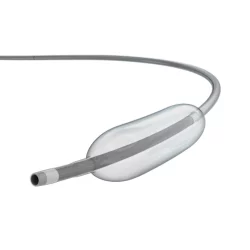
OCCLUSAFE
The occlusive balloon microcatheter from TERUMO allows redistribution of blood flow and micro-circulation, which increases the accumulation of therapeutic agents in the target lesion and reduces off-target embolization.

PROGREAT
TERUMO microcatheter with integrated wire for therapeutic embolization and angiography in peripheral blood vessels. Ease of use, bend resistance, distal flexibility
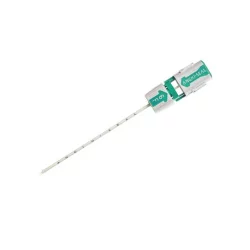
ANGIO SEAL VIP
Angio-Seal™ VIP Cruciate Vein Closure Device for closure and reduction of time to haemostasis at the site of common femoral artery puncture in patients undergoing diagnostic angiography or interventional procedures
